
In This Article
Picture this: you’re sat on your sofa in February, heating turned up to maximum, and yet there’s still that unmistakable chill creeping in from your windows. You’re essentially heating the outdoors whilst your energy meter spins like a roulette wheel. Sound familiar?
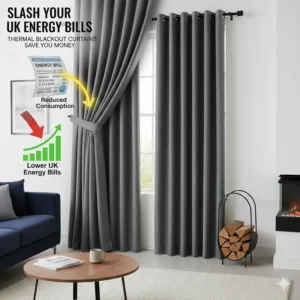
Here’s a sobering fact that might make you reach for your wallet: windows account for up to 18% of heat loss in typical UK homes. That’s not a minor leak—that’s practically an open door to your hard-earned cash flying straight out the window (quite literally). According to research from the University of Salford, thermal blackout curtains energy saving solutions can reduce this heat loss by 15-17% simply by drawing them at dusk.
I remember when I first moved into my Victorian terrace in Brighton. Beautiful sash windows, absolutely gorgeous—and about as energy-efficient as a chocolate radiator. My first winter heating bill nearly knocked me off my feet. That’s when I discovered the transformative power of proper thermal curtains. Not only did my living room finally feel cosy, but my next quarter’s energy bill dropped by nearly £80.
In this comprehensive guide, I’ll walk you through everything you need to know about thermal blackout curtains energy saving for UK homes in 2026. We’ll explore the science behind how they work, review seven exceptional products available on Amazon.co.uk, and I’ll share practical tips to maximise your energy savings. Whether you’re dealing with single-glazed nightmares or simply want to optimise your double-glazed windows, you’ll find solutions that actually work—backed by research, not marketing fluff.
Quick Comparison Table
| Product | Type | Size (W×D) | Price Range | Energy Saving | Rating |
|---|---|---|---|---|---|
| Deconovo 100% Blackout | Eyelet | 46×54 inches | £24-£35 | ★★★★★ | 4.6/5 |
| PONY DANCE Thermal Insulated | Eyelet | 46×54 inches | £19-£28 | ★★★★☆ | 4.5/5 |
| John Aird Pencil Pleat | Pencil Pleat | 90×54 inches | £32-£45 | ★★★★★ | 4.3/5 |
| Deconovo Climate Curtains | Eyelet | 46×72 inches | £38-£52 | ★★★★★ | 4.7/5 |
| PONY DANCE Double Layer | Eyelet | 52×54 inches | £22-£32 | ★★★★★ | 4.6/5 |
| XXR Thermal Blackout | Eyelet/Pencil | 66×54 inches | £18-£26 | ★★★☆☆ | 4.2/5 |
| Aspire Homeware | Pencil Pleat | 46×54 inches | £16-£24 | ★★★☆☆ | 4.1/5 |
💬 Just one click – help others make better buying decisions too! 😊
Top 7 Thermal Blackout Curtains: Expert Analysis
1. Deconovo 100% Blackout Curtains with Coating – The Premium Choice
If you’re serious about energy efficiency and complete darkness, the Deconovo 100% Blackout Curtains deserve top billing. These aren’t your average blackout drapes—they feature a specialised three-layer construction with a coating back layer that blocks 100% of light whilst providing exceptional thermal insulation.
Key Specifications:
- Triple-layer construction with thermal coating
- OEKO-TEX Standard 100 certified
- Available in 18+ colours
- 46×54 inches (2 panels)
Price: £24.99-£34.99
UK buyers particularly appreciate the quality-to-price ratio. One reviewer from Manchester noted: “Received my curtains the day after ordering. We have a conservatory which lets in the cold through the sliding door entrance, so these curtains will hopefully help in keeping the cold out and the heat in. They look amazing, a gorgeous soft grey and fab quality.”
Pros:
✅ Genuine 100% blackout performance
✅ Excellent thermal insulation with advanced triple-weave technology
✅ Made with safer chemicals (OEKO-TEX certified)
Cons:
❌ Fabric can be slightly stiff initially (softens with use)
❌ Heavier than standard curtains (requires sturdy poles)
The Deconovo 100% Blackout curtains use advanced triple-weave technology that creates dead-air spaces between layers—essentially building insulation right into your window treatment. This is particularly effective for UK homes with single glazing or older windows.
2. PONY DANCE Grey Blackout Thermal Insulated Curtains – Best Value
For homeowners seeking the sweet spot between performance and affordability, the PONY DANCE Grey Blackout Thermal Insulated Curtains tick all the boxes. With over 47,000 customer reviews averaging 4.5 stars, these curtains have proven themselves across thousands of UK homes.
Key Specifications:
- Triple-weave construction
- 8 eyelet grommets (1.6-inch diameter)
- 100% polyester
- Machine washable
Price: £19.88-£27.99
What sets PONY DANCE apart is their commitment to sustainability. Many of their curtains feature Global Recycled Standard (GRS) certification, containing at least 50% recycled materials—perfect if you’re environmentally conscious.
Pros:
✅ Outstanding value for money
✅ Blocks 85-95% of sunlight and UV rays
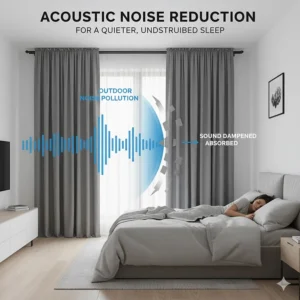
✅ Noise reduction properties
Cons:
❌ Not quite 100% blackout in very bright rooms
❌ Colour can appear slightly different from photos
One satisfied buyer from Cambridge shared: “Great fit to the window. Lovely colour. Darkens the room well. Not 100% blackout but it doesn’t claim to create complete darkness. The curtains feel quality and silky and hang nicely.”
3. John Aird Thermal Blackout Pencil Pleat Curtains – Heritage Quality
Trading since 1896, John Aird brings over a century of expertise to their thermal blackout curtains. The John Aird Thermal Blackout Pencil Pleat curtains offer traditional British craftsmanship with modern thermal efficiency.
Key Specifications:
- Pencil pleat heading with hooks included
- Thermal lining for insulation
- Multiple size options (90×54 inches popular choice)
- Includes matching tie-backs
Price: £32.00-£44.99
The pencil pleat style works beautifully with traditional UK homes, particularly period properties where eyelet curtains might look out of place. The thermal lining provides excellent heat retention whilst the classic design complements Victorian and Edwardian interiors.
Pros:
✅ Traditional British quality and craftsmanship
✅ Excellent for period properties
✅ Noise reduction alongside thermal benefits
Cons:
❌ Requires curtain track with hooks (not rod-friendly)
❌ More expensive than eyelet alternatives
4. Deconovo Climate Curtains – Maximum Performance
For serious energy savers, the Deconovo Climate Curtains represent the pinnacle of thermal technology. These feature a specialised three-layer construction designed specifically for climate control, hence the name.
Key Specifications:
- 100% total blackout with three insulated layers
- Linen-look faux fabric
- Heavier weight for superior insulation
- 46×72 inches (2 panels)
Price: £38.50-£51.99
These curtains excel in conservatories and rooms with large glass areas. The extra length (72 inches) ensures complete coverage, preventing cold air circulation at floor level—a common problem with shorter curtains.
Pros:
✅ Superior thermal regulation for year-round comfort
✅ Heavyweight construction (best-in-class insulation)
✅ Scandinavian-inspired design
Cons:
❌ Higher initial investment
❌ Requires very sturdy curtain poles
A reviewer from Kent wrote: “These are incredibly amazing. Quality thick heavy curtains. Do you sell strong curtain poles that can hold them?” The weight is actually a feature, not a bug—heavier curtains create better thermal barriers.
5. PONY DANCE Double Layer 100% White Blackout – Dual Technology
The PONY DANCE Double Layer 100% White Blackout curtains employ innovative dual-layer technology: a decorative white front layer paired with a light-blocking liner. This makes them particularly suitable for bedrooms where pure white curtains are desired without sacrificing blackout performance.
Key Specifications:
- Genuine double-layer construction
- 100% light blocking with blackout lining
- 52×54 inches with eyelet top
- OEKO-TEX certified
Price: £22.00-£31.99
Pros:
✅ True 100% blackout in white colour
✅ Non-standard 63-inch length option available
✅ Thermal insulation plus light blocking
Cons:
❌ White shows dirt more readily
❌ Limited colour options
One delighted customer noted: “These are the 4th pair of so-called ‘blackout’ white curtains I have ordered this week from Amazon. None of them were blackout at all except for this pair which are truly 100% blackout.”
6. XXR Thermal Blackout Curtains – Budget Champion
For those on tighter budgets, the XXR Thermal Blackout Curtains deliver respectable performance at an accessible price point. Available in both eyelet and pencil pleat styles, they offer flexibility for different window types and budgets.
Key Specifications:
- Basic thermal lining
- Multiple UK standard sizes
- Choice of heading styles
- 66×54 inches
Price: £17.99-£25.99
Pros:
✅ Most affordable option reviewed
✅ Adequate thermal performance for mild climates
✅ Wide colour selection
Cons:
❌ Thinner material than premium options
❌ Not suitable for extremely cold rooms
Whilst these won’t match the insulation of pricier options, they’re perfect for south-facing rooms, guest bedrooms, or as a budget solution whilst you save for whole-house upgrades.
7. Aspire Homeware Thermal Pencil Pleat – Small Business Quality
Supporting small businesses whilst getting quality products? The Aspire Homeware Thermal Pencil Pleat curtains tick both boxes. This UK small business offers ready-made thermal curtains with competitive pricing.
Key Specifications:
- Pencil pleat with tie-backs included
- Thermal lining
- Super soft fabric
- 46×54 inches (2 panels)
Price: £16.50-£23.99
Pros:
✅ Supports UK small businesses
✅ Good shading and thermal performance
✅ Includes tie-backs
Cons:
❌ Limited size selection
❌ Less proven track record than major brands
How Thermal Blackout Curtains Energy Saving Actually Works
Understanding the science behind thermal curtains helps you choose wisely and install them effectively. Let me break down the mechanisms that make these window treatments genuine energy savers.
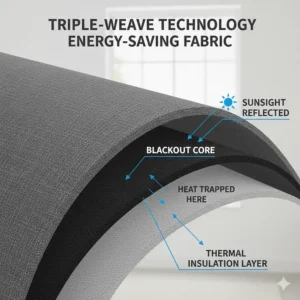
The Three-Layer Defence System
Premium thermal blackout curtains typically feature three distinct layers:
Layer 1 – Decorative Face Fabric: This is what you see from inside your room. Made from densely woven polyester, cotton, or linen blends, it provides the first barrier against heat transfer.
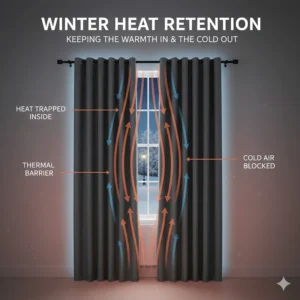
Layer 2 – Thermal Core: The secret weapon. This middle layer uses foam, felt, cotton batting, or specialised thermal materials that trap air and prevent heat conduction. According to research from the University of Salford, well-fitted curtains create a dead-air space that reduces heat transfer significantly.
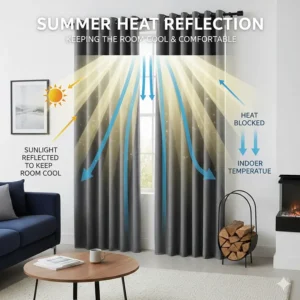
Layer 3 – Reflective Backing: Light-coloured backings reflect both light and heat. In winter, they bounce warmth back into your room. In summer, they deflect solar heat back outside.
R-Values and Thermal Resistance
Windows typically have R-values between R-1 (single-pane) and R-7 (high-quality double glazing). Standard curtains add approximately R-1. However, thermal curtains can increase window R-values substantially, reducing heat loss by up to 25% in winter and solar gain by 33% in summer.
To put this in perspective: imagine your window is a door. Single glazing is like having a door with massive gaps. Double glazing is like having a proper door. Adding thermal curtains is like adding a draught excluder and a thick blanket over that door.
Dead-Air Spaces: Nature’s Insulation
When thermal curtains hang properly, they create still pockets of air between the curtain and window. Air is actually an excellent insulator—it’s why cavity wall insulation works and why bird feathers keep them warm. The key word is “still.” Moving air (draughts) carries heat away. Trapped air insulates.
This is why proper installation matters enormously, which we’ll cover shortly.
How to Choose the Right Thermal Blackout Curtains for Your Home
Consider Your Window Type
Single-Glazed Windows: Prioritise maximum thermal performance. Go for heavyweight curtains with three-layer construction like the Deconovo Climate Curtains or PONY DANCE Double Layer. Single-glazed windows benefit most from thermal curtains, especially in conservation areas or listed buildings where window replacement isn’t permitted.
Double or Triple-Glazed Windows: You can choose mid-range options like the PONY DANCE Grey Thermal curtains. You already have good baseline insulation, so you’re looking to optimise rather than compensate for poor glazing.
Sash Windows: These charming British classics are notorious for gaps and draughts. Choose curtains that extend well beyond the frame—at least 10-15cm on each side. The John Aird Pencil Pleat works beautifully with sash windows’ traditional aesthetic.
Fabric Weight and Density
Heavier isn’t always better, but it’s usually a good sign. Quality thermal curtains should feel substantial when you handle them. Check product descriptions for “triple-weave” or “three-layer construction.”
That said, ultra-heavy curtains require robust curtain poles. Before ordering heavyweight options, ensure your brackets and poles can support them. Most modern eyelet poles can handle up to 5kg, but it’s worth checking.
Heading Style: Eyelet vs Pencil Pleat
Eyelet (Grommet): Modern, sleek appearance. Slides easily on poles. Creates gentle, uniform waves. Easier for daily opening and closing. Best for contemporary homes.
Pencil Pleat: Traditional British style. Offers more gathered, fuller appearance. Works with tracks or poles. Better for period properties. Requires hooks for installation.
Neither is inherently more energy-efficient—both create effective thermal barriers when properly sized and installed. Choose based on your interior style and existing hardware.
Sizing for Energy Efficiency
This is where many people go wrong. For thermal performance, your curtains should:
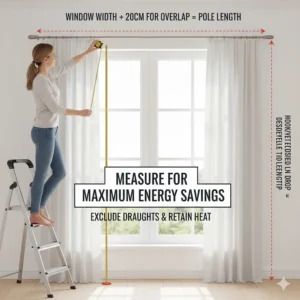
Width: Be at least 2× your window width (2.5-3× for fuller gathering). This ensures adequate fabric coverage when drawn. Skimping here creates gaps where heat escapes.
Drop: Extend to the floor or at least sit on the windowsill. Short curtains allow cold air to circulate underneath—you’re essentially leaving the bottom door open. Floor-length curtains create the best seal.
Overlap: Ensure at least 10-15cm overlap on each side of the window frame when closed. This prevents edge gaps where heat leaks out.
Installation Tips for Maximum Energy Savings
Even the finest thermal curtains underperform if installed poorly. Here’s how to maximise your investment:
Pelmet Power
A pelmet or curtain valance isn’t just decorative—it’s functional. A pelmet blocks warm air from flowing over the top of curtains and prevents heat loss. You can create a simple DIY pelmet with MDF board covered in matching fabric, or purchase ready-made options on Amazon.co.uk for £15-30.
Side Sealing Techniques
Professional installers often use Velcro strips or magnetic tape to seal curtain edges to the wall. Whilst this isn’t practical for daily use, you might consider it for rarely-opened windows. For regularly-used curtains, simply ensure your pole extends well beyond the window frame so curtains can overlap the wall.
The Radiator Dilemma
Here’s a common mistake: full-length curtains covering radiators. This sends precious heat straight up towards the window instead of into your room. Solutions:
Option 1: Install curtains within the window recess if possible.
Option 2: Use sill-length curtains above radiators.
Option 3: Install a shelf above the radiator to deflect heat into the room before it reaches curtains.
Proper Use Patterns
The best thermal curtains in the world won’t save energy if you forget to close them. Develop these habits:
Winter: Close curtains before sunset to trap daytime heat. Open south-facing curtains during sunny days to harness solar gain.
Summer: Keep curtains closed on sunny sides during the day to block solar heat gain. Open them at night when outdoor temperatures drop.
According to the Energy Saving Trust, turning your thermostat down by just one degree could save around £100 a year—and good quality curtains help you do that comfortably.
Thermal Blackout Curtains vs Other Insulated Window Treatments
Thermal Curtains vs Thermal Blinds
Thermal Curtains:
- Better air-gap creation (superior insulation)
- More fabric = more sound dampening
- Easier to achieve complete darkness
- Require more space to draw back
Thermal Blinds:
- Neater when open (less space required)
- Better for small windows
- Often cheaper
- Can leave gaps around edges
Verdict: For maximum energy savings, thermal curtains win. For convenience and aesthetics in compact spaces, consider blinds.
Thermal Curtains vs Secondary Glazing
Secondary glazing involves installing an additional glass pane inside existing windows—essentially creating DIY double glazing.
Secondary Glazing:
- More effective insulation (up to 60% heat loss reduction)
- Permanent solution
- Expensive (£300-500+ per window)
- Requires professional installation
Thermal Curtains:
- More affordable (£20-60 per window)
- DIY installation
- Portable if you move house
- 15-25% heat loss reduction
Verdict: If you can afford secondary glazing and plan to stay long-term, it’s superior. For renters or budget-conscious homeowners, thermal curtains offer excellent value.
Combining Solutions
Here’s a professional tip: you don’t have to choose just one solution. The most energy-efficient homes layer multiple interventions:
- Best available glazing for your budget
- Thermal curtains or blinds
- Draught-proofing around frames
- Strategic heating placement
Each layer compounds the benefits. In homes with particularly poor window insulation, combining thermal curtains with other measures can achieve energy savings of 41% to 62%.
Maintaining Your Thermal Curtains for Long-Term Performance
Cleaning Without Compromising Performance
Thermal curtains require gentle care to maintain their insulating properties:
Machine Washing: Check manufacturer labels first. Most polyester thermal curtains tolerate cold-water machine washing (30°C or below). Use gentle cycle and mild detergent. Never use fabric softener—it can damage thermal coatings.
Hand Washing: Safer option for premium curtains. Fill bath with cold water and small amount of mild detergent. Gently agitate, rinse thoroughly, and allow to drip-dry.
Dry Cleaning: Some high-end thermal curtains recommend professional dry cleaning only. Check labels before purchasing if this isn’t convenient for you.
Tumble Drying: Generally not recommended. Air drying preserves thermal properties and prevents shrinkage.
Storage During Off-Season
If you switch curtains seasonally (lightweight in summer, thermal in winter), proper storage prevents damage:
Step 1: Clean curtains before storage (prevents moth damage and odours)
Step 2: Fold loosely or roll on tubes (prevents creasing)
Step 3: Store in breathable cotton bags (not plastic, which traps moisture)
Step 4: Add cedar balls or lavender sachets (natural moth deterrent)
Step 5: Store in cool, dry location away from direct sunlight
Spot Treatment
For minor stains between full washes:
Fresh Spills: Blot immediately with clean, dry cloth. Don’t rub—this pushes stains deeper into fabric layers.
Set Stains: Mix small amount of mild detergent with cold water. Test on hidden area first. Gently dab stain working from outside edges inward.
Odours: Hang outdoors on breezy day (not in direct sunlight). Fresh air naturally refreshes fabrics.
Common Myths About Thermal Curtains Debunked
Myth 1: “Thermal curtains make rooms dark and depressing”
Reality: Whilst blackout thermal curtains block light when closed, you open them during the day. Plus, modern thermal curtains come in gorgeous colours and patterns. The Deconovo range alone offers 18+ stylish options from soft neutrals to deep jewel tones.
Myth 2: “They’re only for winter”
Reality: Quality thermal curtains work year-round. In summer, thermal curtains can reduce solar gain by up to 33%, keeping rooms cooler and reducing air conditioning costs. They’re climate control, not just cold-weather solutions.
Myth 3: “Expensive curtains always perform better”
Reality: Whilst premium options often offer superior materials, the £18 XXR Thermal Blackout curtains can outperform £100 non-thermal designer curtains in energy efficiency. It’s about construction, not price tag.
Myth 4: “Double glazing makes thermal curtains unnecessary”
Reality: Even with double glazing, windows remain your home’s weakest thermal link. According to the U.S. Department of Energy, conventional draperies can reduce heat loss from a warm room up to 10% even with insulated windows. Every little helps when energy costs keep climbing.
Myth 5: “Thermal curtains prevent condensation”
Reality: This is partially true but misleading. Thermal curtains create a cold zone between curtain and window, which can actually encourage condensation on the glass. However, by keeping your room warmer with less heating, they reduce overall moisture problems. Ensure adequate ventilation regardless.
Frequently Asked Questions
❓ How much can thermal blackout curtains energy saving actually reduce my bills?
❓ Do thermal blackout curtains work with radiators under windows?
❓ Can I use thermal curtains in conservatories or rooms with large glass areas?
❓ How long do thermal blackout curtains typically last in UK homes?
❓ Are thermal curtains suitable for rental properties in the UK?
Conclusion: Your Next Steps to Warmer, More Affordable Living
After diving deep into thermal blackout curtains energy saving, one truth emerges crystal clear: these aren’t just window dressings—they’re one of the most cost-effective home improvements available to UK households in 2026.
Let’s recap the essentials: thermal curtains reduce heat loss by 15-25%, potentially saving £50-100 annually on energy bills. They work by creating insulating dead-air spaces between windows and rooms, with premium triple-layer construction offering the best performance. Proper installation and usage patterns matter as much as the curtains themselves.
If you’re ready to take action, here’s my recommended approach:
For Budget-Conscious Households: Start with the XXR Thermal Blackout Curtains (£17.99-£25.99) for less-critical rooms like guest bedrooms. Test the concept before investing heavily.
For Maximum Energy Savings: Choose Deconovo Climate Curtains (£38.50-£51.99) for main living areas and bedrooms. The extra investment pays back through superior insulation and longevity.
For Best Overall Value: The PONY DANCE Grey Thermal Insulated (£19.88-£27.99) strikes the perfect balance. With 47,000+ positive reviews, they’ve proven themselves across tens of thousands of UK homes.
Don’t forget that thermal curtains work best as part of a holistic approach to home energy efficiency. Combine them with proper window draught-proofing, sensible thermostat habits, and strategic heating placement for maximum impact.
Your windows account for nearly 20% of your home’s heat loss. That’s not inevitable—it’s optional. Take control of your comfort and your costs today.
✨ Don’t Miss These Exclusive Deals!
🔍 Take your home comfort to the next level with these carefully selected thermal blackout curtains. Click on any highlighted product above to check current pricing and availability on Amazon.co.uk. These solutions will help you create an energy-efficient, comfortable haven your family will love whilst keeping those heating bills under control!
Recommended for You
- 7 Best Blackout Blinds UK 2026
- 7 Best Bedside Tables with Storage UK Small Bedrooms 2026
- 7 Best Wardrobe Organisers Space Saving Solutions UK 2026
Disclaimer: This article contains affiliate links. If you purchase products through these links, we may earn a small commission at no additional cost to you. Prices shown are approximate and may vary.
✨ Found this helpful? Share it with your mates! 💬🤗
