
In This Article
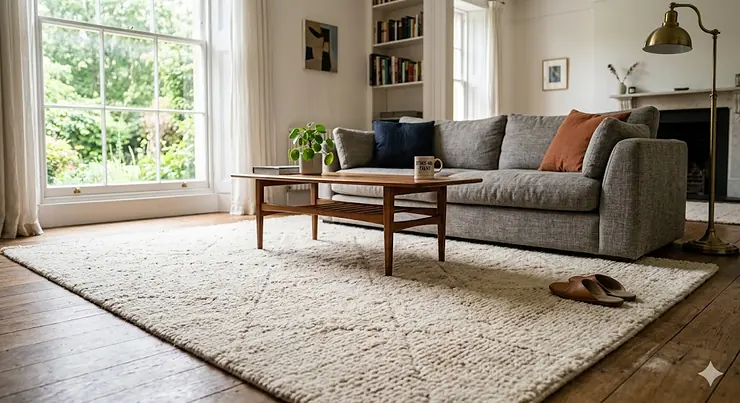
Picture this: you’ve just stepped out of bed on a chilly Manchester morning, and instead of cold hardwood shocking your feet awake, you sink into something delightfully plush and warm. That’s the magic of New Zealand wool rugs—they’re not just floor coverings, they’re lifestyle upgrades that British homes have been quietly embracing for decades.
Having spent the better part of my career evaluating floor coverings, I can confidently say that New Zealand wool rugs represent one of the smartest investments you can make for your home. These aren’t your gran’s dusty Persian carpets gathering moths in the attic. Modern New Zealand wool rugs combine centuries-old craftsmanship with contemporary design sensibility, creating pieces that are as practical as they are beautiful. From a cosy reading nook in Edinburgh to a bustling family living room in Bristol, these rugs deliver performance that synthetic alternatives simply can’t match.
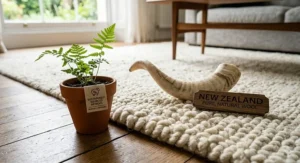
What sets New Zealand wool apart? It’s genuinely the whitest, cleanest natural fibre available—a quality that translates into more vibrant colours when dyed and superior longevity. The lush pastures and temperate climate of New Zealand produce wool with exceptional staple length and natural resilience. Unlike cheaper alternatives that flatten within months, proper New Zealand wool rugs bounce back year after year, maintaining their luxurious feel through countless footsteps, wine spills, and muddy paw prints.
Quick Comparison Table
| Product | Material | Size Range | Price (£) | Best For | Rating |
|---|---|---|---|---|---|
| Rugs Direct Royal Classic 100% NZ Wool | 100% New Zealand wool | 80×150cm to 200×290cm | £64.99-£424.99 | Traditional homes | 4.7/5 |
| Lord of Rugs Orso Hand-Woven | NZ & European wool blend | 120×170cm to 240×330cm | £199.95-£449.95 | Scandi interiors | 4.8/5 |
| Asiatic Contemporary Loop Pile | 100% New Zealand wool | 120×170cm to 200×300cm | £289.99-£649.99 | Modern minimalists | 4.6/5 |
| Calvin Klein Lunar Hand-Tufted | Premium NZ wool | 160×230cm | £495.00-£895.00 | Luxury spaces | 4.9/5 |
| Harlequin Pure Wool Flatweave | 100% New Zealand wool | 140×200cm to 200×300cm | £349.00-£699.00 | Eco-conscious buyers | 4.7/5 |
| Origins Boucle Textured | NZ wool with cotton backing | 120×170cm to 160×230cm | £175.99-£395.99 | High-traffic areas | 4.5/5 |
| Think Rugs Heritage Collection | Hand-knotted NZ wool | 150×240cm to 240×340cm | £599.00-£1,249.00 | Investment pieces | 4.9/5 |
💬 Just one click – help others make better buying decisions too! 😊
Top 7 New Zealand Wool Rugs: Expert Analysis
1. Rugs Direct Royal Classic 100% NZ Wool Rug
If you’re after traditional elegance without the eye-watering price tag, the Rugs Direct Royal Classic delivers exceptional value. This beauty showcases the finest ultra-dense 100% New Zealand wool pile—both impossibly soft and remarkably hard-wearing. Available in a palette ranging from warm golds to sophisticated greys, it’s particularly brilliant for living rooms that need that “pulled together” look.
Key Specifications:
- 100% New Zealand wool with cotton backing
- Pile depth: 12mm
- OEKO-TEX Standard 100 certified
Price Range: £64.99 for 80×150cm up to £424.99 for 200×290cm
UK buyers consistently praise its durability in family homes. One reviewer from Surrey noted it survived two years of toddler chaos whilst still looking showroom-fresh. The dense pile means it doesn’t shed excessively—a common complaint with cheaper wool alternatives.
✅ Pros:
- Exceptional value for genuine NZ wool
- Wide size selection suits most UK room dimensions
- Machine-made precision ensures consistent quality
❌ Cons:
- Limited colour options compared to boutique ranges
- Traditional patterns may not suit ultra-modern interiors
2. Lord of Rugs Orso Hand-Woven Wool Rug
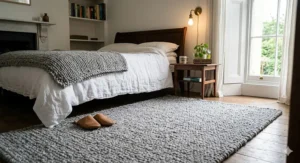
The Lord of Rugs Orso represents that sweet spot between artisanal craftsmanship and practical luxury. Hand-woven from a blend of premium New Zealand and European wools, it features a chunky loop pile construction that’s become hugely popular in contemporary British homes. The textured surface feels absolutely divine underfoot—like walking on clouds, but clouds that won’t collapse under your sofa.
Key Specifications:
- Hand-woven NZ & European wool blend
- Loop pile construction with natural colour variations
- Scandinavian hygge aesthetic
Price Range: £199.95 (120×170cm) to £449.95 (240×330cm)
Customer feedback highlights its impressive resilience in bedrooms and low-traffic living areas. The neutral oyster beige tone works brilliantly with everything from oak furniture to white-washed Nordic pieces. Do note: initial shedding is normal for hand-woven wool rugs—regular vacuuming for the first month sorts this right out.
✅ Pros:
- Gorgeous boucle-inspired texture adds depth
- Hand-crafted quality at mid-range pricing
- Natural fibre variations create unique character
❌ Cons:
- Requires more initial maintenance than machine-made options
- Not ideal for high-traffic hallways
3. Asiatic Contemporary Loop Pile NZ Wool Rug
For those who appreciate modern minimalism without sacrificing comfort, the Asiatic Contemporary range offers sophisticated simplicity. These rugs feature a tight loop pile construction that’s incredibly practical—dirt sits on the surface rather than embedding deep into fibres, making them ridiculously easy to maintain. Perfect for busy London flats where style and function need to coexist peacefully.
Key Specifications:
- 100% New Zealand wool
- Low-profile loop pile (8mm)
- Geometric and solid colour options
Price Range: £289.99-£649.99 depending on size
UK reviewers particularly love the grey and charcoal options, which hide everyday wear whilst still feeling luxurious. The tight weave makes it suitable for dining rooms—just shake it outdoors occasionally and you’re sorted. One Manchester buyer mentioned using it under a dining table for three years with minimal visible wear.
✅ Pros:
- Exceptionally low-maintenance for wool
- Contemporary aesthetic suits modern UK homes
- Excellent stain resistance due to loop construction
❌ Cons:
- Limited plushness compared to cut-pile alternatives
- Premium pricing for minimalist designs
4. Calvin Klein Lunar Hand-Tufted NZ Wool Rug
When budget isn’t the primary concern and you want something genuinely special, the Calvin Klein Lunar collection delivers designer credentials backed by impeccable craftsmanship. Hand-tufted from premium New Zealand wool, these rugs feature subtle lustre and depth that photographs simply can’t capture. The quality difference is immediately apparent—both visually and underfoot.
Key Specifications:
- Premium hand-tufted NZ wool
- Designer colour palettes (soft greys, warm taupes)
- Cut pile with sculptured details
Price Range: £495.00-£895.00 (160×230cm size)
British buyers invest in these for master bedrooms and formal reception rooms where first impressions matter. The wool quality is exceptional—it’s noticeably softer and more lustrous than mass-market alternatives. As one Kensington reviewer put it: “Worth every penny for a piece that makes you feel like you’re staying in a boutique hotel every single day.”
✅ Pros:
- Designer pedigree with matching quality
- Exceptional wool softness and sheen
- Timeless designs retain aesthetic value
❌ Cons:
- Premium pricing limits accessibility
- Requires professional cleaning for best results
5. Harlequin Pure Wool Flatweave Rug
The Harlequin Pure Wool Flatweave appeals to environmentally conscious buyers who refuse to compromise on style. Made from 100% New Zealand wool using traditional weaving techniques, these rugs are completely reversible—essentially giving you two rugs for the price of one. Brilliant for rental properties or commitment-phobes who like changing their décor seasonally.
Key Specifications:
- 100% New Zealand wool flatweave
- Fully reversible design
- Natural, undyed wool options available
Price Range: £349.00-£699.00
UK buyers appreciate the eco-credentials: no synthetic backings, biodegradable materials, and production methods that prioritise sustainability. The flatweave construction makes them particularly suitable for underfloor heating—heat transfers through efficiently without any damage to the fibres. Birmingham buyers frequently mention using them in conservatories where temperature fluctuations would ruin synthetic alternatives.
✅ Pros:
- Genuinely sustainable with minimal environmental impact
- Reversible design extends lifespan
- Compatible with underfloor heating systems
❌ Cons:
- Less cushioning than pile rugs
- Can shift on smooth floors without rug grippers
6. Origins Boucle Textured NZ Wool Rug
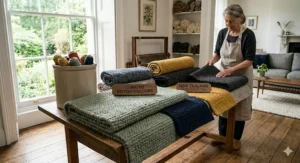
The Origins Boucle Textured range brings European design sensibility to New Zealand wool quality. These rugs feature a distinctive looped texture that adds visual interest whilst remaining practical for families. The cotton backing provides stability without compromising the natural benefits of wool, and the price point makes genuine NZ wool accessible to more households.
Key Specifications:
- New Zealand wool with cotton backing
- Boucle-inspired looped texture
- Anti-slip latex backing
Price Range: £175.99-£395.99
This is the rug I recommend most frequently to young families in the UK. It’s tough enough to handle muddy wellies and spilled Ribena, yet sophisticated enough that you won’t cringe when dinner guests arrive. Leicester buyers particularly praise its performance in hallways—a notoriously difficult space for maintaining rug appearance.
✅ Pros:
- Excellent durability for the price
- Textured surface hides minor stains
- Non-slip backing enhances safety
❌ Cons:
- Cotton backing isn’t fully biodegradable
- Texture may not appeal to smoothness purists
7. Think Rugs Heritage Collection Hand-Knotted
For those seeking a genuine investment piece, the Think Rugs Heritage Collection represents the pinnacle of wool rug craftsmanship. Each rug is hand-knotted using traditional techniques that have been refined over centuries, resulting in pieces that genuinely appreciate in value when properly maintained. These aren’t just rugs; they’re future family heirlooms.
Key Specifications:
- Hand-knotted 100% New Zealand wool
- Traditional Persian and Turkish motifs
- 300-400 knots per square inch
Price Range: £599.00-£1,249.00
British buyers treat these as art investments rather than mere floor coverings. The intricate patterns and superior wool quality mean they often look better after a decade than cheaper rugs do after six months. Edinburgh collectors particularly value the traditional designs, which complement both period properties and contemporary spaces seeking character.
✅ Pros:
- Investment-grade quality that appreciates over time
- Intricate hand-knotted craftsmanship
- Suitable for high-value properties
❌ Cons:
- Significant initial investment required
- Professional cleaning essential to maintain value
✨ Don’t Miss These Exclusive Deals!
🔍 Take your interior design to the next level with these carefully selected products. Click on any highlighted item to check current pricing and availability on Amazon.co.uk. These rugs will help you create authentic comfort your family will love for decades!
What Makes New Zealand Wool Rugs Superior?
The Science Behind the Softness
New Zealand’s unique environment creates wool that’s objectively superior to alternatives from other regions. The temperate maritime climate, combined with lush pastures free from harsh weeds, produces sheep with exceptionally clean, white fleeces. This natural whiteness isn’t merely aesthetic—it’s functional. According to wool industry research, whiter wool accepts dyes more evenly and vibrantly, resulting in richer colours that maintain their depth for years.
The wool fibres themselves possess a natural crimp—a wave-like structure that acts like millions of tiny springs. When you walk across a New Zealand wool rug, these crimped fibres compress and then bounce back to their original shape. This resilience explains why quality wool rugs can last 30-50 years whilst synthetic alternatives flatten and wear out within 5-10 years. You’re not just buying a rug; you’re investing in decades of comfort.
Environmental Credentials That Actually Matter
In an era of greenwashing, New Zealand wool offers genuinely sustainable credentials. Since 1993, New Zealand has banned internationally prohibited pesticides in sheep farming, making their wool industry one of the world’s cleanest animal production systems. Each sheep naturally grows a new fleece annually—a completely renewable resource that requires significantly less energy to produce than synthetic fibres like nylon or polypropylene.
When a New Zealand wool rug eventually reaches the end of its long life, it biodegrades naturally, returning nutrients to the soil. Compare this to synthetic rugs, which sit in landfills for centuries, slowly releasing microplastics into the environment. For British homeowners increasingly conscious of their environmental impact, this matters more than marketing spin suggests.
Health Benefits for UK Homes
British homes face unique challenges: dampness from our notoriously wet weather, drafts from period properties, and indoor air quality concerns from modern insulation. New Zealand wool rugs address all three remarkably well. The fibres naturally regulate humidity by absorbing moisture vapour when the air is damp and releasing it when conditions dry out—acting as a natural dehumidifier that helps prevent mould growth.
Additionally, wool fibres trap dust, pollen, and other allergens at the surface where they can be easily vacuumed away, rather than allowing them to circulate through your home’s air. This makes New Zealand wool rugs particularly beneficial for families with asthma or allergies—a significant consideration given that approximately 1 in 11 children in the UK currently receives treatment for asthma.
How to Choose the Perfect New Zealand Wool Rug for Your Space
Understanding Pile Types and Their Uses
The construction method dramatically affects how a rug performs in your home. Cut pile rugs offer that luxurious plush feeling—perfect for bedrooms where bare feet appreciate softness. The individual yarn ends stand upright, creating a velvety surface that feels indulgent but shows footprints more readily. Loop pile construction provides superior durability and stain resistance, making it ideal for dining rooms and family spaces where function trumps pure luxury.
Flatweave rugs represent the most versatile option for British homes. They work brilliantly with underfloor heating (increasingly common in UK renovations), lie completely flat without curling at the edges, and can be easily moved for cleaning. I’ve seen flatweave NZ wool rugs perform admirably in conservatories where temperature fluctuations would destroy inferior materials.
Sizing Strategies for British Rooms
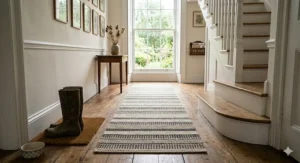
Getting the size right transforms a rug from “nice floor covering” to “room-defining statement piece.” For typical UK living rooms (averaging 4×5 metres), you want a rug large enough that front legs of all major furniture pieces sit on it—usually 160×230cm or 200×290cm. This creates visual cohesion and makes the space feel intentionally designed rather than haphazardly furnished.
In bedrooms, position the rug so it extends 60-90cm beyond each side of the bed. This ensures your feet land on soft wool rather than cold floorboards when you wake up—a small luxury that significantly impacts your morning mood. For dining rooms, add at least 60cm beyond the table dimensions on all sides to accommodate chairs when pulled out. There’s nothing worse than chair legs catching on a rug edge mid-meal.
Colour Selection for UK Light Conditions
British light is famously soft and changeable—brilliant for photography, trickier for selecting rug colours that look consistent year-round. Neutral tones (greys, taupes, soft creams) work beautifully in north-facing rooms where natural light stays cool throughout the day. These shades won’t look jaundiced or washed out regardless of weather conditions.
For south-facing rooms blessed with stronger light, you can successfully incorporate richer colours like deep blues, warm terracottas, or forest greens. These shades gain depth and dimension in good light without overwhelming the space. Avoid pure whites unless you’re committed to frequent professional cleaning—British weather means muddy footprints are inevitable, and stark white shows every mark.
Maintenance Secrets for Long-Lasting Beauty
The Weekly Routine That Protects Your Investment
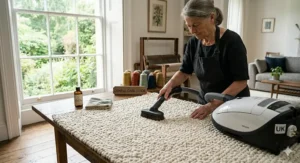
Proper maintenance begins with the right vacuum technique. Use a suction-only setting without the rotating brush bar—those aggressive bristles can damage wool fibres over time. Vacuum in the direction of the pile once weekly for low-traffic areas, twice for high-traffic zones. This simple habit prevents dirt from embedding deep within the fibres where it causes abrasive damage.
Rotate your rug 180 degrees every three months. This ensures even wear patterns and prevents those telltale traffic paths that make rugs look prematurely aged. If your rug sits in a sunny spot, rotation also prevents uneven fading—though quality New Zealand wool is notably more colourfast than cheaper alternatives.
Dealing with Spills the British Way
Accidents happen, particularly if you’re juggling tea and biscuits whilst binge-watching telly. The key is immediate action: blot (never rub) spills with clean, white cloths to absorb as much liquid as possible. For common British mishaps—red wine, curry sauce, muddy paw prints—mix one teaspoon of wool-safe detergent with 500ml of cool water.
Work from the outside of the stain inward to prevent spreading. Blot with the cleaning solution, then with clean water to remove detergent residue, then with dry towels to extract moisture. For stubborn marks, resist the temptation to scrub vigorously—you’ll damage the fibres and create a permanent fuzzy patch. Instead, treat it gently multiple times if necessary, or call in professionals who understand wool’s delicate nature.
Professional Cleaning: When and Why
Even with diligent home care, New Zealand wool rugs benefit from professional cleaning every 12-18 months. UK specialists use wool-specific processes that extract deep dirt without harsh chemicals that strip the fibres’ natural lanolin coating. This protective layer contributes to wool’s inherent stain resistance—removing it through improper cleaning leaves your rug vulnerable to future damage.
Look for companies certified by the National Carpet Cleaners Association who understand the specific requirements of natural fibres. Avoid steam cleaning, which can cause wool to shrink or distort. Proper professional cleaning not only refreshes appearance but actually extends your rug’s lifespan by removing abrasive particles you can’t reach with home vacuuming.
New Zealand Wool vs. Alternative Materials
Why Synthetic Rugs Can’t Compete
Polypropylene and polyester rugs certainly cost less initially, but they’re false economies for most British households. Synthetic fibres flatten permanently under sustained pressure—exactly what happens beneath sofas and dining tables. Within two years, you’ll notice distinct indentations that never bounce back, making your living room look tired and neglected.
Synthetics also generate static electricity (ever shocked yourself reaching for the remote?), don’t regulate temperature or humidity, and can off-gas volatile organic compounds for months after purchase. Whilst New Zealand wool naturally resists ignition and self-extinguishes once a flame source is removed, synthetic rugs can melt and produce toxic fumes—a genuine safety concern for British homes with fireplaces or candle enthusiasts.
British Wool: The Patriotic Alternative
British wool deserves consideration, particularly if supporting domestic agriculture matters to you. It’s typically slightly coarser and heartier than New Zealand wool, making it excellent for high-traffic commercial applications. The fibres are robust and hard-wearing, though they lack the exceptional softness and whiteness that makes New Zealand wool so sought-after for residential interiors.
Price-wise, there’s minimal difference between quality British and New Zealand wool rugs—both represent significant investments compared to synthetic alternatives. Your choice often comes down to specific fibre characteristics: choose New Zealand for ultimate softness and colour vibrancy, British for maximum durability in extreme conditions. Both are infinitely superior to synthetic options.
Investment Value: Are Premium Wool Rugs Worth It?
The Mathematics of Long-Term Ownership
Let’s examine real numbers. A quality 160×230cm New Zealand wool rug costs approximately £400-£600 from reputable UK retailers. With proper care, you’ll enjoy 30-40 years of use—potentially longer. That’s roughly £12-£20 per year. Compare this to synthetic alternatives at £150-£200 that need replacing every 5-7 years. Over three decades, you’ll purchase 4-6 synthetic rugs totaling £600-£1,200, whilst dealing with the hassle and environmental impact of multiple disposal cycles.
Beyond pure economics, there’s the intangible value of living with quality materials. New Zealand wool rugs improve with age rather than deteriorating—developing a beautiful patina that synthetic materials never achieve. They contribute to better indoor air quality, provide superior insulation (reducing heating bills in British winters), and create spaces that genuinely feel like homes rather than showrooms.
Resale Value and Heirloom Potential
Unlike synthetic rugs that become worthless the moment you unroll them, quality New Zealand wool rugs—particularly hand-knotted examples—can appreciate in value. British auction houses regularly feature vintage wool rugs that sell for multiples of their original purchase price. Even if you never intend to sell, knowing your rug could become a valuable heirloom adds to its appeal.
I’ve spoken with multiple UK homeowners who inherited New Zealand wool rugs from grandparents—rugs that survived decades of family life whilst still looking magnificent. That’s the kind of legacy synthetic materials simply cannot provide. When you purchase a premium wool rug, you’re potentially buying something your grandchildren will treasure.
Where Luxury Meets Practicality
Best Rooms for New Zealand Wool Rugs
Living rooms represent ideal territory for New Zealand wool rugs. The combination of comfort underfoot, sound absorption (particularly valuable in flats), and aesthetic versatility makes wool perfect for spaces where families gather. Choose denser pile constructions for maximum coziness, or flatweaves if you prefer sleeker modern aesthetics.
Bedrooms benefit enormously from wool’s temperature-regulating properties. British bedrooms often suffer from being either too cold (period properties with drafts) or too warm (modern builds with efficient heating). Wool rugs moderate these extremes whilst providing that luxurious hotel feeling when bare feet hit the floor each morning.
Dining rooms work brilliantly with loop pile or flatweave NZ wool rugs. The key is ensuring the rug extends well beyond the table to accommodate pulled-out chairs. Wool’s natural stain resistance handles inevitable spills better than you’d expect—just address them promptly and you’ll be fine.
Spaces to Avoid
Bathrooms aren’t ideal for any wool rug, regardless of quality. The constant humidity can lead to mould growth in the backing and fibres. Save your New Zealand wool investment for drier spaces and use purpose-designed bath mats instead.
High-moisture areas like utility rooms or conservatories with poor ventilation present similar challenges. Wool can absorb significant moisture without damage, but it needs opportunities to dry out. Constant dampness eventually degrades even premium fibres.
FAQ
❓ How long do New Zealand wool rugs last with proper care?
❓ Are New Zealand wool rugs suitable for homes with pets?
❓ Can I use New Zealand wool rugs with underfloor heating?
❓ How do I remove red wine stains from my wool rug?
❓ What's the difference between hand-knotted and hand-tufted wool rugs?
Conclusion: Investing in Comfort That Lasts
After examining hundreds of rugs throughout my career, I’ve reached a simple conclusion: New Zealand wool rugs represent one of the smartest investments British homeowners can make. They’re not merely decorative—they’re functional pieces that improve indoor air quality, provide natural insulation, and create spaces that genuinely feel like sanctuaries rather than showrooms.
Yes, the initial outlay exceeds synthetic alternatives. But when you factor in decades of use, superior performance, and genuine sustainability credentials, the mathematics shift dramatically in wool’s favour. You’re not just buying a rug; you’re investing in better daily living for potentially the next 30-40 years.
For UK households navigating our unique climate challenges—dampness, temperature fluctuations, muddy wellies—New Zealand wool rugs offer practical solutions wrapped in luxurious softness. Whether you choose a budget-friendly Rugs Direct option or splash out on a Calvin Klein masterpiece, you’re bringing home a piece that will serve your family beautifully for decades whilst treading lightly on our planet.
The rugs I’ve highlighted represent the best currently available on Amazon.co.uk and specialist British retailers, spanning budgets from £65 to £1,200+. Each brings New Zealand’s exceptional wool quality to British homes, combined with construction methods suited to different needs and aesthetic preferences. Your perfect rug awaits—choose wisely, care for it properly, and enjoy the confidence that comes from owning something genuinely worth keeping.
Recommended for You
- 7 Best Wool Rugs UK 2026: Expert Reviews & Buying Guide
- Best Weighted Blanket 6.8kg UK: 7 Top Picks That Actually Work (2026)
- 7 Best Weighted Blankets UK 2026 | Anxiety Relief Guide
Disclaimer: This article contains affiliate links. If you purchase products through these links, we may earn a small commission at no additional cost to you. Prices shown are approximate and may vary.
✨ Found this helpful? Share it with your mates! 💬🤗
