

In This Article
Remember last July when you found yourself sprawled across the bed at 3 AM, duvet kicked to the floor, desperately seeking the cool side of the pillow? You’re not alone. As UK summers grow increasingly unpredictable—with heatwaves reaching 30°C one week and dropping to 15°C the next—having the right summer bedding essentials isn’t just about comfort; it’s about your health, sleep quality, and overall wellbeing.
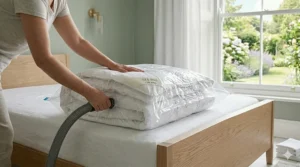
According to The Sleep Charity, the ideal bedroom temperature for quality sleep is between 16-18°C. When temperatures soar above 24°C, restlessness kicks in, your REM sleep suffers, and you wake up feeling knackered. That’s where proper summer bedding essentials come into play—they help regulate your body temperature, wick away moisture, and create that perfect microclimate for restorative sleep.
Whether you’re a hot sleeper who battles night sweats year-round, someone going through menopause, or simply preparing for another British heatwave, investing in quality summer bedding can transform your sleep experience. From breathable linen bedding summer collections to temperature regulating sheets and cooling bedding for hot sleepers, this guide covers everything you need to beat the heat without breaking the bank.
Quick Comparison Table
| Product | Type | Tog/Material | Price Range (£) | Best For |
|---|---|---|---|---|
| Silentnight Cooler Summer Duvet | Duvet | 4.5 Tog | £18-£50 | Budget-conscious buyers |
| Slumberdown Cool Summer PCM Duvet | Duvet | Phase Change Material | £30-£70 | Temperature regulation |
| Simba Hybrid Summer Duvet | Duvet | 3.5 Tog + Stratos | £139-£249 | Premium cooling |
| Silentnight Cool Touch Pillow | Pillow | Cooling Gel Pad | £25-£40 | Hot sleepers with headaches |
| REM-Fit 500 Cool Gel Pillow | Pillow | Memory Foam + Gel | £50-£75 | Neck support + cooling |
| Bamboo Viscose Sheet Set | Sheets | 100% Bamboo Rayon | £35-£85 | Moisture-wicking |
| Egyptian Cotton Percale Sheets | Sheets | 240-400 Thread Count | £40-£120 | Crisp, breathable luxury |
💬 Just one click – help others make better buying decisions too!😊
Top 7 Summer Bedding Essentials: Expert Analysis
1. Silentnight Cooler Summer Duvet (4.5 Tog)
If you’re after a reliable, no-nonsense summer bedding solution, the Silentnight Cooler Summer Duvet delivers exactly what it promises. This UK-made duvet features a 4.5 tog rating—sweet spot territory for British summers—with hollow fibre filling that allows heat and humidity to escape without leaving you feeling exposed during those inevitable midnight temperature drops.
Key Specifications:
- 4.5 tog rating (ideal for temperatures above 20°C)
- Hollow fibre filling with moisture-wicking cover
- Hypoallergenic and machine washable at 40°C
- Made in the UK with 5-year manufacturer’s guarantee
The soft-touch microfibre cover actively wicks moisture away from your skin, helping maintain a comfortable temperature throughout the night. UK buyers consistently praise its lightweight feel—you won’t wake up feeling trapped under a heavy duvet, but you’ll still have enough coverage to feel secure and cosy.
Pricing: £18-£50 depending on size (Single to Super King)
✅ Pros:
- Excellent value for money
- Lightweight yet provides adequate warmth for cooler nights
- UK-made with quality guarantee
❌ Cons:
- May be too warm for extreme heatwaves (25°C+)
- Filling can shift in larger stitched sections
Customer Feedback: British buyers report “perfect weight for summer,” with many noting it strikes the ideal balance between cool comfort and midnight chill protection. One verified purchaser mentioned: “Very thin but warm enough to keep you comfortable with the midnight chills.”
2. Slumberdown Cool Summer PCM Duvet Bundle
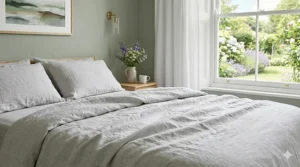
The Slumberdown Cool Summer PCM Duvet represents a significant leap forward in temperature-regulating bedding technology. PCM (Phase Change Material) is the same adaptive technology used by NASA, and here’s why it matters: this material absorbs excess body heat when you’re too warm and gradually releases it back when you cool down, maintaining an optimal sleeping temperature automatically.
Key Specifications:
- Phase Change Material technology
- Temperature-sensitive fabric
- Complete bundle includes duvet, fitted sheet & 2 pillowcases
- Proven to provide 90% cooler sleep than standard polyester
The coverless design means no more wrestling with duvet covers at 2 AM—simply pop the entire thing in the washing machine. The breathable polyester fabric creates an instant cooling effect upon contact, making it particularly effective for menopausal women experiencing hot flushes and anyone suffering from night sweats.
Pricing: £30-£70 (bundle price varies by size)
✅ Pros:
- Advanced temperature-regulating technology
- Complete bedding solution in one package
- Maintains effectiveness after repeated washing
❌ Cons:
- Polyester fabric (not natural fibres)
- May feel too synthetic for some preferences
Customer Feedback: UK reviewers specifically mention the instant cooling sensation, with many hot sleepers reporting their first full night’s sleep in months. The PCM technology receives particular praise from users experiencing menopausal symptoms.
3. Simba Hybrid Summer Duvet with Stratos Technology
For those willing to invest in premium comfort, the Simba Hybrid Summer Duvet combines luxury with cutting-edge cooling science. The Stratos cool-touch technology, originally developed for astronauts, actively draws heat away from your body throughout the night, whilst the Renew Bio fill (made from recycled materials) provides down-like comfort without the ethical concerns or allergy risks of traditional feather filling.
Key Specifications:
- 3.5 tog rating (ultra-light for heatwaves)
- Stratos cool-touch technology
- 100% cotton cover with instant cooling sensation
- Renew Bio fill (sustainable, recycled materials)
What sets this duvet apart is its instant cooling sensation—the moment you slip under it, you’ll feel the temperature drop. The 100% cotton cover enhances breathability, drawing moisture away from your skin whilst the innovative fill structure ensures optimal air circulation. It’s not just marketing hyperbole; independent testing confirms its superior heat dissipation properties.
Pricing: £139-£249 (varies by size and retailer)
✅ Pros:
- Premium cooling technology with proven results
- Sustainable materials (environmentally conscious choice)
- Exceptional breathability and moisture management
❌ Cons:
- Higher price point
- Ultra-light feel may not suit everyone
Customer Feedback: Hot sleepers specifically praise this duvet’s cooling power, with one reviewer noting: “I could feel how cooling it was from the moment I took it out of the storage bag.” Many report it’s transformed their summer sleep quality entirely.
4. Silentnight Cool Touch Pillow with Cooling Gel Pad
Your pillow choice matters just as much as your duvet when it comes to temperature control. The Silentnight Cool Touch Pillow features a pressure-activated cooling gel pad embedded within the pillow—no need to flip it over searching for the cool side because it maintains consistent cooling throughout the night.
Key Specifications:
- Cooling gel pad (pressure-activated technology)
- Medium support level
- Includes Cool Touch pillowcase
- Machine washable cover
The included Cool Touch pillowcase is crucial—cotton pillowcases actually reduce the pillow’s cooling performance by absorbing moisture and creating that clammy, damp feeling we all hate. The specially designed pillowcase wicks moisture away, keeping your sleep surface cool and dry. The heat-absorbing gel provides a calming, cooling sensation that not only helps with temperature regulation but also signals to your body that it’s time to sleep.
Pricing: £25-£40
✅ Pros:
- Affordable cooling solution
- No pillow flipping needed
- Suitable for all sleep positions
❌ Cons:
- Mixed reviews on cooling effectiveness (works brilliantly for some, less so for others)
- Medium firmness may not suit all preferences
Customer Feedback: UK buyers appreciate the quality, with many noting it helps with heat-related headaches and night sweats. However, opinions on cooling ability vary—some find it transformative, whilst others report minimal cooling effect.
5. REM-Fit 500 Cool Gel Pillow
The REM-Fit 500 Cool Gel Pillow represents UK-designed engineering at its finest, combining gel-infused memory foam with advanced Re-Ax® Technology covering. This isn’t just a pillow; it’s a complete temperature-management system for your head and neck.
Key Specifications:
- Gel-infused ventilated memory foam core
- Re-Ax® Technology cover (moisture-wicking)
- Medium-firm support with pressure-relieving contours
- Machine-washable outer cover
- 5-year guarantee (with pillow protector)
The ventilated memory foam design allows for maximum air circulation whilst the gel infusion actively dissipates heat. The Re-Ax® fibres in the cover wick sweat away from your body, working in harmony with the cooling gel to create a refreshingly cool sleep surface. It’s particularly effective for back and side sleepers who need proper spinal alignment alongside temperature control.
Pricing: £50-£75
✅ Pros:
- Superior cooling performance with dual technology
- Excellent neck and spine support
- UK-tested and guaranteed
❌ Cons:
- Premium price point
- Memory foam may feel too firm initially
Customer Feedback: Consistently praised by UK reviewers as a “top-rated, UK-designed pillow” that provides “cooling comfort and support.” Many note it’s particularly effective for menopausal women experiencing hot flushes.

6. Bamboo Viscose Cooling Sheet Set
When it comes to warm weather bedding, bamboo viscose sheets have revolutionised summer sleep. These sheets, typically labelled as “rayon derived from bamboo,” offer naturally temperature-regulating properties that outperform traditional cotton by a significant margin.
Key Specifications:
- 100% rayon derived from bamboo
- 300-400 thread count sateen weave
- Deep pocket fitted sheets (up to 16″)
- OEKO-TEX Standard 100 certified (chemical-free)
Bamboo viscose is three times more breathable than cotton, with hollow fibres that allow superior air circulation. The natural moisture-wicking properties pull perspiration away from your skin, evaporating it quickly to keep you cool and dry. The silky-smooth texture feels luxurious against your skin without the clammy stickiness that cotton can develop in humid conditions. Additionally, bamboo is naturally hypoallergenic and antimicrobial—ideal for allergy sufferers and sensitive skin.
Pricing: £35-£85 (varies by brand and size)
✅ Pros:
- Superior breathability and moisture management
- Silky-soft texture without synthetic feel
- Eco-friendly and sustainable option
❌ Cons:
- Requires gentle washing (cold water, no fabric softener)
- Can wrinkle easily if not removed from dryer promptly
Customer Feedback: UK buyers consistently rate bamboo sheets highly for summer use, with many reporting they “stay cool and dry all night” and noting the sheets “somehow work for both hot and cold sleepers.” The consensus: once you try bamboo, you won’t go back to cotton for summer.
7. Egyptian Cotton Percale Sheet Set
For traditionalists who prefer natural fibres with a crisp, hotel-quality feel, Egyptian cotton percale sheets remain the gold standard. The percale weave—characterised by its one-over, one-under pattern—creates a lightweight, breathable linen bedding summer favourite that gets softer with every wash.
Key Specifications:
- 100% long-staple Egyptian cotton (Giza 94 or similar)
- 240-400 thread count percale weave
- Matte finish (not shiny like sateen)
- Superior durability and wrinkle-resistant
Egyptian cotton’s extra-long fibres (minimum 32mm compared to 22mm for standard cotton) mean fewer connection points between fibres, resulting in an exceptionally smooth surface and superior durability. The percale weave ensures maximum breathability—crucial for UK summers where humidity can be as problematic as heat. These sheets actively promote air circulation, keeping you cool without that heavy, suffocating feeling of lower-quality bedding.
Pricing: £40-£120 (depending on thread count and brand)
✅ Pros:
- Crisp, cool feel ideal for hot sleepers
- Becomes softer and more comfortable with age
- Excellent durability (can last 10+ years with proper care)
❌ Cons:
- Higher price point than synthetic alternatives
- Will wrinkle (embrace it—it’s part of the lived-in luxury aesthetic!)
Customer Feedback: UK buyers praise the “cool, crisp feel” and note these are “the best bed sheets for hot sleepers.” Many report significant improvement in sleep quality during summer months, with the sheets remaining “cool and comfortable” even during heatwaves.

Understanding Summer Bedding Materials: What Makes Them Cool?
Not all fabrics are created equal when it comes to summer sleep comfort. The key lies in understanding how different materials interact with your body’s natural cooling mechanisms. During sleep, your body needs to shed approximately 0.5°C to maintain optimal rest—warm weather bedding should facilitate this process, not hinder it.
Natural vs Synthetic Fibres
Natural fibres (cotton, linen, bamboo) have the advantage of breathability—their porous structure allows air to circulate freely, preventing heat and moisture build-up. They absorb moisture efficiently and release it through evaporation, creating a cooling effect. However, not all natural fibres perform equally. Linen, for instance, is 30% more moisture-absorbent than cotton, making breathable linen bedding summer’s ultimate natural cooling solution.
Synthetic cooling technologies (PCM, gel-infused materials, microfibre blends) work differently. Rather than passively allowing heat to escape, they actively manage temperature through chemical or physical properties. Phase Change Materials, for example, absorb heat energy when you’re too warm and release it when you cool down—creating a self-regulating temperature system that natural fibres can’t match.
The NHS recommends maintaining bedroom temperatures around 16-18°C for optimal sleep. When external temperatures exceed this, your bedding becomes your first line of defence. Materials with high moisture-wicking capabilities (bamboo, percale cotton) and those with active cooling properties (gel-infused memory foam, PCM fabrics) work together to create comfortable microclimates.
The Science of Tog Ratings: Choosing Your Summer Duvet Weight
Tog ratings mystify many Brits, but understanding them is crucial for summer comfort. The British standard BS 4745 defines a tog as a measure of thermal resistance—essentially, how much heat your duvet traps. Here’s what you need to know:
2.5-4.5 Tog: Ideal for UK summer temperatures above 20°C. These lightweight duvets summer ranges provide enough coverage to feel secure without overheating. Perfect for heatwaves and those hot, humid August nights.
7-9 Tog: Suitable for spring and autumn, or for cold sleepers during mild summers. If your partner runs hot whilst you’re perpetually chilly, two separate duvets in different togs might be your answer (the Scandinavian solution that’s gaining popularity here).
10.5+ Tog: Winter warmth. Store these away come May unless you’re camping in Scotland.
Temperature regulating sheets work best when paired with appropriate tog duvets. Even the most advanced cooling sheets can’t compensate for a 13.5 tog duvet in July. Many UK households now invest in seasonal duvets—a low-tog option for summer and a higher-tog for winter—rather than struggling with all-season compromises.
Cooling Pillows vs Regular Pillows: Is the Upgrade Worth It?
Your head accounts for roughly 10% of your body’s heat loss during sleep, making pillow choice surprisingly impactful for overall temperature comfort. Traditional pillows—particularly memory foam and down varieties—tend to trap heat around your head and neck, creating uncomfortable hot spots that disrupt sleep.
How Cooling Pillows Actually Work
Gel-infused technology embeds cooling gel throughout the pillow material or as a layer beneath the cover. The gel has higher thermal conductivity than standard foam, meaning it draws heat away from your head more efficiently and disperses it across a larger surface area.
Phase Change Materials in pillows work similarly to PCM duvets—they absorb excess heat when you’re too warm and gradually release it as you cool down, maintaining a consistent, comfortable temperature.
Ventilated designs with air channels promote air circulation through the pillow core, preventing heat build-up. Combined with moisture-wicking covers, these create a consistently cool sleep surface.
Are They Worth the Investment?
For hot sleepers, menopausal women, and anyone who regularly wakes with night sweats or headaches, cooling pillows represent excellent value. Prices range from £15 (budget cooling pads) to £75 (premium gel memory foam options), with most quality cooling pillows for hot sleepers sitting around £30-£50—a modest investment for noticeably improved sleep quality.
However, they’re not magic. If your bedroom’s consistently above 24°C, no pillow alone will solve your comfort issues. Think of cooling pillows as one component in your comprehensive summer sleep solutions strategy, alongside proper bedding, room darkening, and ventilation.
Moisture-Wicking vs Breathable: Understanding the Difference
These terms often get used interchangeably in bedding marketing, but they describe different properties that work best in combination.
Breathability refers to a fabric’s ability to allow air circulation. Think of it as ventilation—air flows through the weave, preventing heat from becoming trapped against your skin. Percale cotton and linen excel here due to their loose, open weave structures. The higher the breathability, the better hot air can escape and cool air can reach your skin.
Moisture-wicking describes a fabric’s ability to pull moisture (sweat) away from your skin and spread it across a larger surface area where it can evaporate quickly. This prevents that sticky, clammy feeling that disrupts sleep. Bamboo viscose and certain synthetic athletic fabrics provide superior moisture-wicking properties compared to traditional cotton.
Ideally, your cooling bedding for hot sleepers should combine both properties. The bamboo viscose sheets mentioned earlier, for example, offer excellent breathability (hollow fibre structure) plus outstanding moisture-wicking (hydrophilic properties)—creating a dry, cool sleep surface even on the muggiest nights.
The Sleep Charity research confirms that managing both temperature and humidity is essential for quality sleep. Humidity levels above 60% can make even moderate temperatures feel oppressively hot, whilst dry heat is often more tolerable. Moisture-wicking fabrics address this humidity component directly.
How to Layer Your Summer Bedding Like a Pro
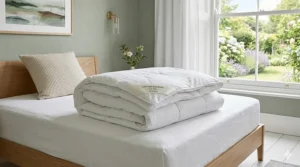
Layering isn’t just for winter—it’s actually more important for unpredictable UK summers where temperatures can swing 10°C between midnight and 3 AM. The key is creating a flexible system you can adjust without fully waking.
The Base Layer: Fitted Sheet
Start with your temperature regulating sheets—this is your foundation. Choose bamboo viscose or percale cotton with deep pockets (14-16″) to accommodate any mattress protector or topper. This layer should prioritise moisture-wicking and breathability above all else.
The Comfort Layer: Flat Sheet (Optional)
Many Brits skip flat sheets, but they’re brilliant for summer. A lightweight flat sheet provides just enough coverage when it’s too warm for a duvet but too chilly to go without entirely. Choose the same material as your fitted sheet for consistency.
The Warmth Layer: Lightweight Duvet
Your 2.5-4.5 tog summer duvet goes here. Keep a slightly warmer option (7 tog) within reach for those unexpectedly cool nights—easier to add a layer than to suffer being cold.
The Top Touch: Lightweight Blanket or Throw
A cotton or linen throw at the foot of your bed provides extra warmth options without the bulk of a heavier duvet. You can pull it up to your waist for additional coverage whilst leaving your top half cool.
This layering approach means you can adjust your comfort level by simply reaching down and pulling up or kicking off a layer—no stumbling around in the dark trying to find different bedding. Your sleep remains largely undisturbed whilst your comfort improves dramatically.
Caring for Your Summer Bedding: Tips for Longevity
Quality summer bedding represents an investment—protect it with proper care and it’ll serve you well for years.
Washing Guidelines
Bamboo viscose sheets: Cold water only, gentle cycle, mild liquid detergent. Never use fabric softener (it coats fibres and reduces moisture-wicking properties). Tumble dry on low for 20 minutes, then air dry to prevent shrinkage.
Egyptian cotton percale: Wash in warm water (40°C maximum) with gentle detergent. Separate lights and darks. These sheets benefit from line drying in sunlight—it naturally bleaches and refreshes the fabric whilst avoiding tumble-dryer wear.
Cooling duvets and pillows: Most are machine washable at 40°C, but always check labels. Cooling gel pillows typically need their covers removed and washed separately—never submerge the gel core. PCM duvets maintain their properties through washing, but avoid high heat which can damage the phase-change materials.
Storage Between Seasons
When summer ends, resist the temptation to stuff everything in the back of a cupboard. Wash all items first (stored dirt attracts moths and causes yellowing), then fold loosely and store in breathable cotton storage bags—never plastic, which traps moisture and encourages mildew. Cedar balls or lavender sachets deter moths naturally without chemical smell.
Rotate your bedding regularly during the season. Having two sets allows one to be washed and thoroughly dried whilst you use the other, preventing that musty smell that develops when bedding doesn’t fully dry between uses.
Budget-Friendly Alternatives to Premium Cooling Bedding
Not everyone can justify spending £200 on a Simba duvet, and that’s absolutely fine. Here are effective cooling solutions that won’t devastate your wallet:
Cotton thermal blankets (£15-£30) provide summer warmth without the heat retention of duvets. The cellular weave creates insulating air pockets that work in reverse during hot weather—allowing excess heat to escape whilst maintaining enough cover to feel secure.
Cooling mattress toppers (£30-£80) sit beneath your fitted sheet and significantly impact overall sleep temperature. Gel-infused or ventilated foam options add cooling properties without replacing your entire bedding system.
Microfibre cooling sheets (£20-£40) don’t match bamboo’s performance, but they’re dramatically cheaper and still outperform standard cotton. Look for specifically marketed “cooling” microfibres, not just general microfibre sets.
DIY cooling hacks: A hot water bottle filled with ice water at your feet, frozen gel packs wrapped in pillowcases, or a bowl of ice positioned in front of a fan all provide temporary cooling relief whilst you save for proper summer sleep solutions.
The key is prioritising your investment. If you can only upgrade one item, make it your pillow—you’ll get immediate benefit for relatively modest cost (£30-£50 for decent cooling options). Next, upgrade your sheets (£40-£80 for quality), then finally your duvet.
Allergy Considerations: Hypoallergenic Summer Bedding Options
Summer brings unique allergy challenges—increased pollen, dust mites thriving in warmth, and mould developing in humid conditions. Choosing the right bedding materials helps minimise these triggers.
Natural hypoallergenic materials: Bamboo viscose naturally resists dust mites and has antimicrobial properties, making it ideal for sensitive sleepers. Percale cotton, whilst not inherently antimicrobial, is tightly woven enough to prevent dust mite penetration when thread count exceeds 300.
Synthetic hypoallergenic options: Hollowfibre fillings (used in most Silentnight duvets) are designed to be non-allergenic—they don’t harbour dust mites like natural down can. The British Allergy Foundation (now Allergy UK) recommends synthetic fillings for allergy sufferers.
All the products mentioned in this guide—from the Silentnight Cooler Summer Duvet to the bamboo sheet sets—carry hypoallergenic credentials. Look for OEKO-TEX Standard 100 certification, which ensures products are tested against over 1,000 harmful substances. The NHS suggests washing bedding weekly at 60°C to kill dust mites, but cooling bedding often requires lower temperatures—compensate with anti-allergen laundry additives.
If you suffer from severe allergies, consider barrier covers for your pillows and mattress. These create a physical barrier against allergens whilst allowing the cooling properties of your bedding to work effectively.
Sustainable Summer Bedding: Eco-Friendly Cooling Options
Environmental consciousness increasingly influences purchasing decisions, and summer bedding offers several sustainable options without compromising on cooling performance.
Bamboo grows incredibly quickly (up to 1 metre per day), requires no pesticides, and needs minimal water compared to cotton. The viscose production process does involve chemicals, but responsible manufacturers use closed-loop systems that recycle 99% of solvents. Look for FSC-certified bamboo to ensure sustainable harvesting.
Organic cotton percale eliminates pesticide concerns whilst providing all the cooling benefits of conventional cotton. The GOTS (Global Organic Textile Standard) certification guarantees both organic materials and ethical production practices.
Recycled polyester fills (like Simba’s Renew Bio fill) divert plastic from landfills whilst delivering premium cooling performance. Each duvet contains the equivalent of dozens of recycled plastic bottles, transformed into soft, down-like filling.
The most sustainable choice, however, is buying quality items that last. A £100 Egyptian cotton sheet set that lasts 10 years is far more environmentally friendly than a £20 set that needs replacing annually. Factor longevity into your eco-assessment alongside production methods.

FAQs
❓ How often should I replace my summer bedding?
❓ Can I use cooling bedding in winter?
❓ What tog duvet is best for UK summer temperatures?
❓ Do cooling pillows really work for menopause symptoms?
❓ Are expensive cooling sheets worth it compared to budget options?
Conclusion: Your Path to Better Summer Sleep
Creating the perfect summer sleep environment isn’t about buying the most expensive products—it’s about understanding your body’s needs and choosing temperature regulating sheets, warm weather bedding, and cooling accessories that work synergistically. Whether you’re investing in a complete bedroom overhaul with premium Simba Hybrid products or starting modestly with a Silentnight Cooler Summer Duvet, every improvement compounds to create noticeably better sleep.
Remember, the NHS recommends bedroom temperatures of 16-18°C for optimal sleep. When British summers refuse to cooperate with this guideline, your bedding becomes your primary defence against restless, sweaty nights. The products featured in this guide—from breathable linen bedding summer collections to advanced PCM cooling technology—represent the best solutions currently available to UK consumers.
Start with the basics: a lightweight duvet summer (2.5-4.5 tog), breathable sheets (bamboo or percale cotton), and a cooling pillow. Build from there based on your specific challenges. Hot sleepers might prioritise bamboo sheets and gel pillows, whilst those experiencing menopausal symptoms might focus on complete PCM bedding systems.
British summers will remain gloriously unpredictable, but your sleep quality doesn’t have to be. Invest in proper summer bedding essentials, follow the care instructions, and look forward to waking refreshed regardless of what the thermometer says. Your bedroom should be your sanctuary—cool, comfortable, and perfectly suited to your needs.
Sleep well, Britain. You’ve earned it.
Recommended for You
- 7 Best Bedside Rugs UK 2026
- 7 Best Wall Art Above Bed Ideas UK 2026
- 7 Best Full Length Mirrors UK 2026
Disclaimer: This article contains affiliate links. If you purchase products through these links, we may earn a small commission at no additional cost to you. Prices shown are approximate and may vary. Product availability subject to stock at Amazon.co.uk and other retailers.
✨ Found this helpful? Share it with your mates! 💬🤗
